A Wrong Turn, a Sweeping Broom, and the Beginning of Something: Hanno City, Saitama
A chance wrong turn on a motorcycle ride leads to an unexpected encounter with a local property owner, revealing a forgotten corner of Hanno City and the quiet possibilities hidden inside a neglected house. A story about fate, human connection, and how small moments can open the door to creative community revival, education, and new life for a declining town.
12/31/20253 min read
I didn’t plan to be there.
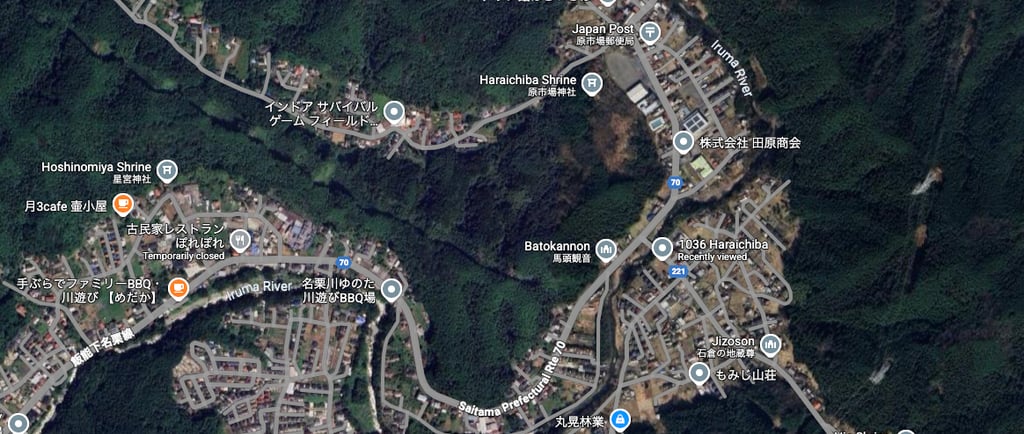
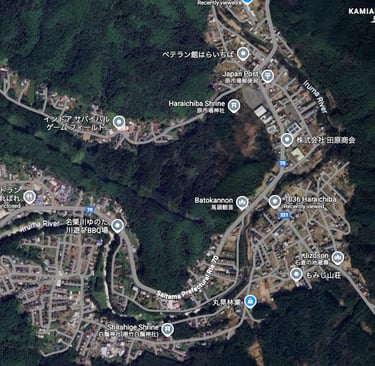
That day, I was riding my motorcycle home from Chichibu, thinking about machizukuri—about shrinking towns, unused houses, and what it really means to bring life back to a place. Somewhere along the way, I took a wrong turn. Not the dramatic kind, just a small deviation. The kind you barely notice until the road narrows, the scenery changes, and suddenly you realize you’ve entered a place you didn’t know existed.
I had lived in Japan for many years, yet somehow, this part of Hanno City had escaped me completely.
It was quiet. Not empty—just calm. Mountains close enough to feel protective. Houses spaced with intention, not haste. A place that felt paused, not abandoned.
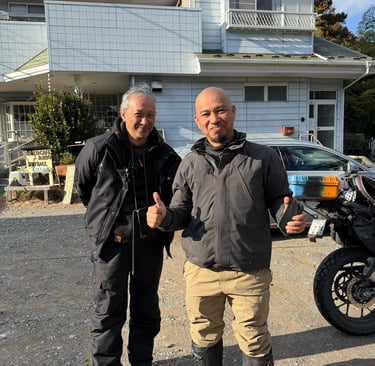
I stopped my motorcycle in front of an old house—clearly unused, heavy with time. As I was getting off, a woman across the street, sweeping the front of another property, looked up and gently called out to me. She suggested I move my motorcycle to the proper parking area, “for safety.”
It was such a small thing. Kind. Ordinary.
I moved the bike. We started talking.
That was when I learned she was the owner.
A House Full of Burden, and Possibility
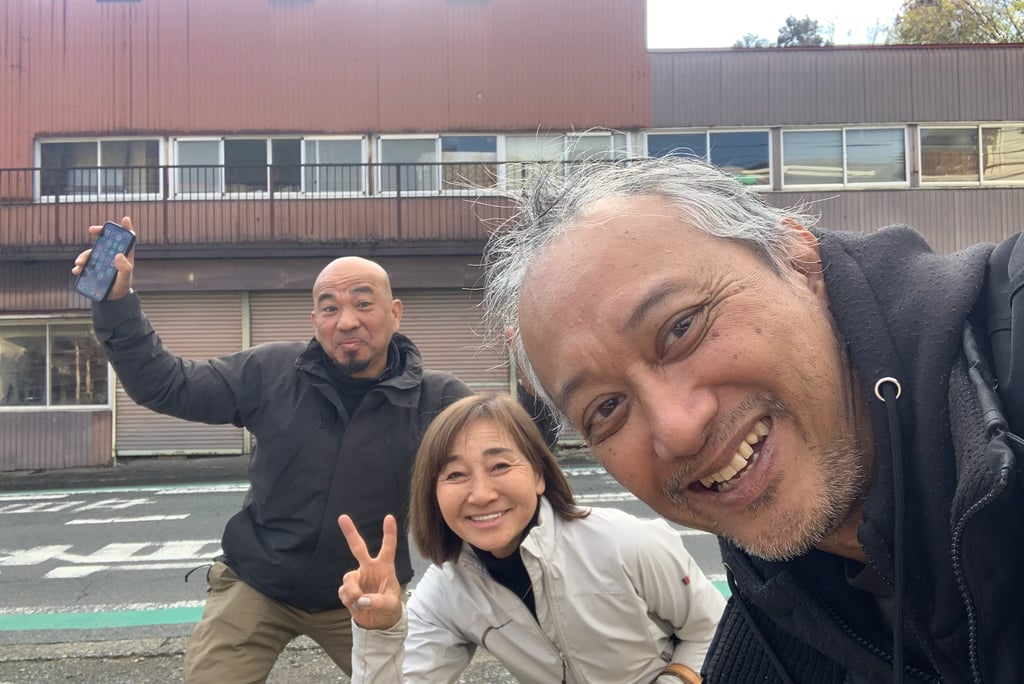
Soon after, my business partner arrived. Together, we were invited inside. What we saw was honestly shocking.
A hole in the roof.
Floorboards on the second floor that had collapsed—or were about to.
Rooms filled with years of accumulated things, memories mixed with neglect.
It was, by any market definition, a “junk house.”
But standing there, I didn’t feel disgust. I felt weight. The weight of something left behind, not because it was unwanted, but because life moved faster than people could keep up.
As we talked, the woman casually mentioned another property nearby. A different house. One in better condition. My partner showed interest. I noticed something in the entire encounter.
In that moment, I realized something important.
This wasn’t just about selling property.
This was about finding a solution to a problem. Not only her family's problem, but for the community.
Two houses. Two responsibilities. Two silent worries that had probably followed her for years.
And suddenly, standing in front of her, were two people with ideas—not about flipping or profit, but about use. About life. About contribution.
Two creative minds, by chance.
What If a Ruin Could Become a Door?
I kept thinking: what if a place like this could become something again?
Not something flashy. Not something loud.
But a place where children who don’t go to school—children who feel they don’t belong—could find a quiet ibasho.
A place where they could learn new tools, like AI, not as pressure, but as possibility.
A place where education is reimagined, not enforced.
And beyond that—what if this hidden part of Hanno could gently open itself to others?
Inbound travelers who don’t want crowds, but authenticity.
People who want to stay, learn, listen, and contribute.
Not tourism as consumption—but tourism as relationship.
All of this, from a house with a hole in the roof.
The Meaning of Chance in Japan
In Japan, there is a word: 縁 (en).
It means connection. Fate. The invisible thread that brings people together at the right moment—not because it was planned, but because it was necessary.
If I hadn’t taken that wrong turn.
If she hadn’t been sweeping that street at that exact time.
If I had parked somewhere else.
If my partner hadn’t arrived when he did.
None of this would have happened.
And yet, it did.
Machizukuri Doesn’t Start With Plans
It starts with listening.
With stopping your motorcycle.
With moving it when someone asks.
With talking to a stranger.
With seeing value where others see only decay.
This encounter reminded me that machizukuri isn’t about grand strategies or government slogans. It’s about human moments. About trust formed quietly. About the courage to imagine a future for something everyone else has given up on.
I don’t know yet what will happen with those houses. Nothing has been decided. And that’s okay.
What matters is this:
A place I never knew existed is now alive in my mind.
A burden may become a bridge.
And a wrong turn may have been exactly the right one.
Sometimes, the future of a town begins with a broom, a smile, and a simple conversation across the street.
And sometimes, that’s enough to change everything.