What Nobody Wants is What You Should Sell: The Case for Ogano Town
The numbers don't lie, but they don't have to define the ending.
12/25/20255 min read
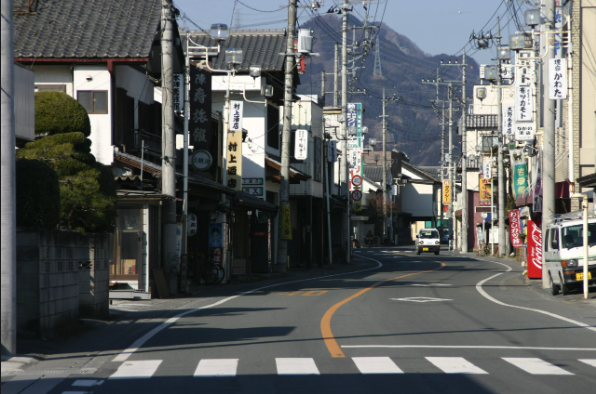
Ogano Town in Saitama Prefecture has dipped into the 9,000 range for population, down from healthier years. The trajectory is clear and accelerating. Without intervention, Ogano becomes another footnote in Japan's demographic collapse—a cautionary tale rather than a case study.
Yet the answer isn't just leaning harder into what you already have.
The Kamiyama Question
Kamiyama Town in Shikoku, with about 5,000 residents, earned the nickname "Miracle Town" by bucking the trend of rural exodus. Not through tourism campaigns or industrial parks, but through radical acceptance of reality combined with intentional transformation.
The seeds were sown in 1999 when the town launched an artist-in-residence program attracting participants from around the world. The Kamiyama Juku training program followed in 2010, designed to help young job seekers prepare for employment and adult life. Then came the infrastructure: broadband speeds several times faster than central Tokyo, available from mountain hiking paths down to the riverside.
Satellite offices from IT companies arrived. Engineers and entrepreneurs set up shop in a former textile factory converted into co-working space. By 2021, in-migration finally surpassed out-migration for the first time in the town's history. In 2021 alone, the government built 20 renewable energy-powered homes from local wood, now inhabited by over 60 people—engineers, entrepreneurs, artists building a new sustainable community.
The Kamiyama Marugoto College of Design, Technology, and Entrepreneurship opened with backing from Japan's leading tech entrepreneurs who donated over ¥2 billion. At least 40 students aged 15 arrive each year, with total visiting students expected to reach 200 at any time—in a town of 5,000.
This is what drastic looks like. This is what survival requires.
Ogano's Hidden Assets
Ogano has the motorcycle shrine. It has wine production. It has kabuki performances rooted in centuries of tradition. These are real, these matter, these differentiate.
But they're not enough.
Every rural town in Japan has heritage. Every mountain region has local specialties. The motorcycle shrine draws enthusiasts on weekends. The winery attracts day-trippers. The kabuki preserves culture for annual performances. These are table stakes, not transformation.
The question isn't whether to preserve what you have. It's whether preservation alone prevents extinction.
The Isolation Advantage
Everyone sells accessibility. Sell remoteness instead.
Ogano sits approximately 90 minutes from Tokyo, yet it lacks convenient train access. Most would frame this as a deficit. Frame it as a filter. The people who make the journey aren't tourists checking boxes—they're seekers willing to work for the experience.
The modern plague isn't rural isolation—it's urban over-connection. Japan's demanding work culture creates an entire demographic starving for digital detox, for friction, for the inconvenience of having to be present.
Your competitors are offering convenience. You should offer consequence.
Beyond the Bike Trail
Yes, Ogano has cycling. So does every mountainous area from Nagano to Shikoku. The bike scene matters, but it's not differentiation—it's baseline expectation.
What Ogano needs is Kamiyama's courage to build infrastructure and experiences that cannot be replicated anywhere else. Experiences rooted in what only isolation enables:
The Typewriter Café: A workspace where internet-capable devices aren't permitted. Vintage typewriters, quality stationery, the satisfying click of mechanical keys. Writers and thinkers need places to be offline without shame. Create scarcity of distraction, and you create value. Connect this to your kabuki tradition—both require full presence, zero multitasking.
Onsen as Reset Protocol: Not relaxation—transformation. Design multi-day digital detox programs with local ryokan. Check phones at arrival. Structured schedules of soaking, hiking, silence. Exit with clarity. Market it as the antidote to Tokyo's relentlessness.
Wine & Contemplation: Your winery isn't just a tasting room—it's a month-long residency for remote workers. Stay in town, work the harvest, learn viticulture, produce your own small batch. Make wine production part of the transformation story, not a weekend diversion.
Hiking as Commitment: The trails exist. Make them mean something. Guided philosophical walks. Artists-in-residence creating installations on mountain paths. Turn exercise into contemplation.
Maker Spaces in Mountain Shadows: Kamiyama built workshops with 3D printers accessible to residents and visitors. Follow the model. Create spaces where city dwellers spend a month learning to work with their hands—pottery, woodworking, traditional crafts alongside modern fabrication. Skills that feel like acts of resistance.
Motorcycle Shrine to Motorcycle Residency: The shrine draws riders. What if they could stay? Partner with custom bike builders for month-long residencies. Garage space, tools, mentorship from local mechanics, evening rides through mountain roads. Transform one-day pilgrimages into immersive experiences.
Kabuki as Living Practice: Stop performing kabuki for tourists. Teach it. Month-long intensive workshops for serious students—full costume, traditional training, culminating in performance. Make your cultural heritage accessible as practice, not spectacle.
The Danger of Doing Nothing
Japan has 9 million abandoned homes and growing ghost towns. The trajectory is mathematical. More than 40% of Japan's population is expected to be over 65 by 2060. The working-age population peaked in 1995 and continues declining.
Ogano at 9,000 is already on life support. Without new economic engines, without intentional community building, you follow hundreds of municipalities already slipping into irrelevance.
Drastic? This is practical. Innovative? This is survival.
Build for a Different Kind of Resident
Kamiyama doesn't just welcome anyone—through its "Work in Residence" program, they carefully select who settles there. They understood something crucial: not all new residents create equal value.
Ogano should court:
Remote workers escaping Tokyo's grind who value output over optics
Artists seeking affordable studio space without trendy gallery pressure
Winemakers and food entrepreneurs building sustainable businesses
Motorcycle enthusiasts who want community, not just roads
Families trading convenience for childhood that includes dirt, hiking, and boredom
Retirees choosing vitality over comfort, community over convenience
These people exist. They're searching. Ogano isn't competing with Shibuya—it's competing with Kamiyama, with rural Oregon, with Vermont towns pioneering similar models.
The Real Selling Point
What you're actually selling isn't isolation. It's permission.
Permission to disconnect. Permission to move slowly. Permission to measure success differently. Permission to prioritize depth over breadth, mastery over exposure, conversation over networking.
Your motorcycle shrine says: we honor journeys, not destinations. Your winery says: good things take time and terroir. Your kabuki says: tradition matters, practice matters, presence matters.
These aren't tourist attractions—they're your values statement. Now build the infrastructure that lets people live those values for weeks or months, not just weekends.
Kamiyama installed fiber optic cables in the mountains and built co-working spaces in old factories. They welcomed satellite offices, opened specialized schools, built renewable energy housing. They attracted over ¥2 billion in investment from tech entrepreneurs who believed in the vision.
Among Japanese municipalities under 100,000 population, Kamiyama generates the least waste. They built the Akuigawa Common from local cedar as a free gathering place. They started the Food Hub Project, growing vegetables without pesticides, connecting local farmers, feeding school children with local produce at their restaurant Kamaya.
This is the blueprint. This is the model. This is what it takes.
The Choice
The choice isn't between growth and decline. It's between intentional transformation with dignity and character, or passive slide into irrelevance.
Your bike trails, motorcycle shrine, winery, and kabuki theater are foundational. They prove Ogano has substance. Now prove you have courage.
Nobody wants isolation until you show them what it enables. Make Ogano the place where disconnection isn't deprivation—it's luxury. Where the motorcycle shrine becomes a gateway to month-long residencies. Where kabuki isn't performed for tourists but taught to serious students. Where wine isn't consumed but created.
The infrastructure exists elsewhere to copy. Kamiyama raised ¥2 billion and built schools. You need broadband that rivals Tokyo's. Co-working spaces in repurposed buildings. Housing designed for remote workers and families. Programs that select for contribution, not just consumption.
At 9,000 residents and falling, comfortable decline isn't an option. It's elimination.
The question is whether Ogano will act before it becomes another statistic, another slide in a demographic presentation, another town that had time but chose the familiar over the future.
Act like Kamiyama. Act like your survival depends on it.
Because it does.